


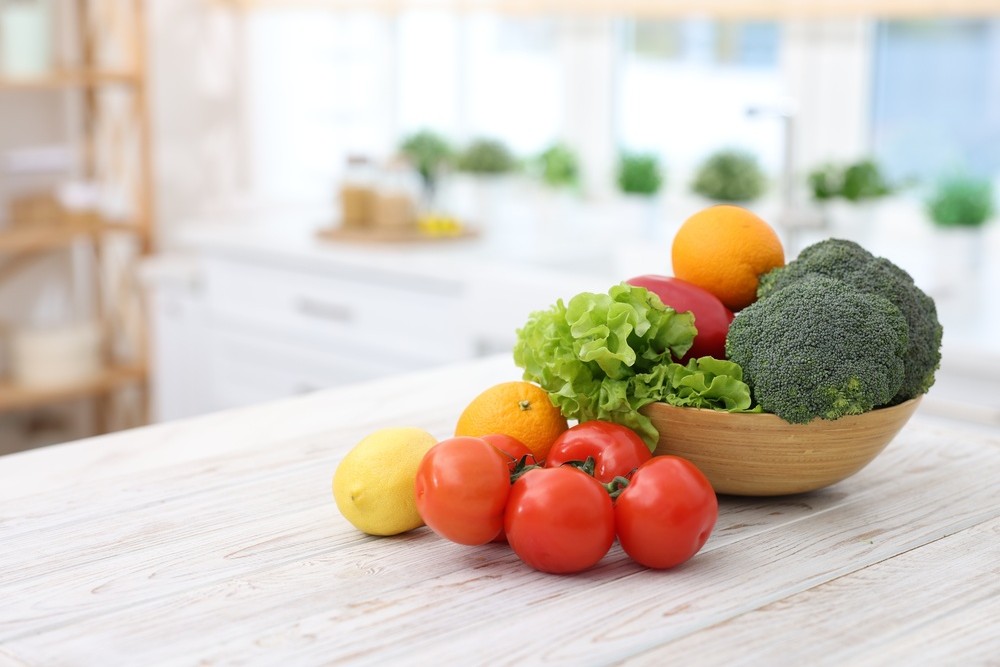
As Australians head into warmer spring weather, households are being urged to rethink a common kitchen habit that could be affecting the quality of their fresh groceries: putting everything straight into the fridge.
Noah Pratt, CEO and fresh produce expert at Australian food rescue company Funky Food, says understanding where produce should be stored is one of the simplest ways households can protect their groceries.
“Putting everything in the fridge might feel like the safest way to keep food fresh, but different fruits and vegetables need different conditions,” he says.
“Some produce needs time at room temperature to develop its flavour and ripen properly. Others can be affected by the cold before they’re ready. Knowing when to refrigerate something, rather than automatically putting it in the crisper drawer, can make a real difference to how much of your shopping you actually get to enjoy.”
Tips and tricks
Mr Pratt points to seven foods Australians should think twice about refrigerating.
1. Tomatoes
Tomatoes are one of the most common foods people refrigerate too early. Cold temperatures can interfere with ripening and affect their flavour and texture.
For tomatoes that are still firm or unripe, a cool spot on the kitchen bench, away from direct sunlight, is generally the better option.
“Tomatoes need a chance to ripen and develop their flavour,” says Mr Pratt. “Putting them straight into the fridge can leave you with a tomato that looks perfectly fine but doesn’t taste as good as it should.”
Once fully ripe, however, tomatoes can be refrigerated to help prevent them from spoiling, particularly during hot Australian weather.
2. Potatoes
Raw potatoes are best kept in a cool, dark, dry and well-ventilated place rather than the fridge.
Cold storage can change their starch composition, affecting their flavour and cooking characteristics.
“Potatoes don’t need a fridge to stay fresh,” says Mr Pratt. “A dark, ventilated cupboard or pantry is usually a much better place for them, provided it doesn’t get too warm.”
Avoid storing potatoes in direct sunlight, which can encourage greening, and discard potatoes with extensive green areas or significant sprouting.
3. Bananas
Putting green bananas in the fridge can interrupt their normal ripening process and cause the skin to darken. Instead, keep unripe bananas at room temperature, away from direct sunlight, and allow them to ripen naturally.
“Bananas are a good example of why refrigeration isn’t always the answer,” says Mr Pratt. “If they’re still green, putting them in the fridge can stop them developing the way you’d expect.”
Once ripe, refrigeration can help slow further ripening, although the peel may turn brown or black.
4. Whole onions
Whole, unpeeled onions are generally better stored in a cool, dry, well-ventilated pantry than in a humid fridge environment.
Excess moisture can encourage softening and mould, particularly when onions are stored in sealed plastic bags.
“Onions need airflow more than they need refrigeration,” says Mr Pratt. “Keeping them dry and well-ventilated is one of the easiest ways to maintain their quality.”
Once an onion has been cut, it should be stored in a sealed container in the fridge.
5. Avocados
Unripe avocados should usually be left at room temperature until they soften.
Refrigerating them too early slows ripening, potentially leaving shoppers waiting much longer for their avocados to become ready to eat.
“There’s nothing more frustrating than cutting into an avocado that’s still rock hard,” says Mr Pratt. “If you’re planning to eat it in the next few days, let it ripen naturally first.”
Once an avocado is ripe, moving it to the fridge can help extend its usable life. Cut avocados should also be refrigerated.
6. Fresh basil
Unlike many other fresh herbs, basil is particularly sensitive to cold conditions.
Storing it in the fridge can cause leaves to darken, wilt, and lose quality.
“Fresh basil is one of those ingredients that can deteriorate surprisingly quickly in the wrong conditions,” says Mr Pratt. “For a short period, treating it more like a bunch of flowers can work better than putting it in the crisper drawer.”
Trim the stems and place them in a small jar of water in a cool spot, away from direct sunlight. Change the water regularly and discard leaves showing signs of spoilage.
7. Whole pumpkin
Whole, uncut pumpkins generally keep well in a cool, dry, and ventilated location.
Refrigeration isn’t usually necessary before cutting, and a dry storage environment can help limit mould development.
“Whole pumpkins are naturally suited to storage, provided they’re kept somewhere dry and aren’t exposed to excessive heat,” says Mr Pratt.
“Once you’ve cut into one, though, the rules change. Cut pumpkin needs to go into the fridge.”
Considerations as temps rises
While certain foods benefit from being kept out of the fridge, Mr Pratt warns that warmer spring and summer conditions make it important to recognise when refrigeration becomes necessary.
“Keeping produce out of the fridge doesn’t mean leaving it sitting in a hot kitchen for days,” he says.
“If your home gets particularly warm, or fruit has reached peak ripeness, refrigeration can be the better choice. The aim is to give each food the right conditions at the right stage, rather than following one rule for everything.”
Mr Pratt adds that shoppers should check their fresh produce regularly, use ripe items first and plan meals around ingredients that need eating soon.
“Reducing food waste isn’t just about buying less,” he says. “It’s about making better use of what you’ve already bought.”

